

Victor Waite | July 21, 2025 | Personal Injury
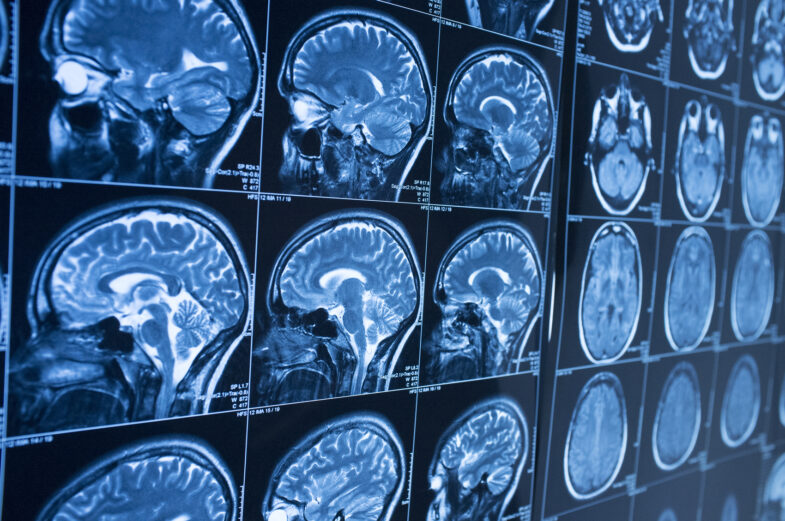
Chronic Traumatic Encephalopathy, or CTE, refers to a brain disease linked to repeated head trauma. This condition often affects athletes who play contact sports. Football players, boxers, and hockey players face the highest risks.
CTE causes changes in mood, memory, and behavior. Over time, it can lead to cognitive decline and other long-term effects. Doctors believe CTE results from repeated blows to the head.
Each impact may seem minor, but the damage can build over the years. The brain starts to show abnormal deposits of tau protein. These changes harm brain function and worsen over time. CTE does not heal. Once symptoms begin, they often progress without relief.
What CTE Does to the Brain
CTE causes damage deep inside the brain. Repeated head trauma triggers the release of tau protein. This protein clumps together and blocks signals between brain cells. As the disease spreads, brain tissue begins to shrink.
Memory and judgment often fade. Personality can also shift. Mood changes often appear first. Some people show signs of depression or anxiety.
Others become impulsive, angry, or withdrawn. These shifts confuse families and disrupt lives. As the brain continues to change, symptoms grow worse. Some people lose the ability to care for themselves or recognize loved ones.
Doctors often compare CTE to dementia. Both conditions cause memory loss and confusion. However, CTE begins at a younger age and follows a different pattern. It affects athletes and others with a long history of head trauma. Doctors must examine symptoms carefully to rule out other brain diseases.
How Doctors Diagnose CTE
Doctors cannot confirm CTE during life. A full diagnosis requires a brain autopsy after death. Still, doctors can assess symptoms and risk factors to provide a likely diagnosis.
They review the person’s medical history, including any history of sports or repeated head injuries. They also test memory, balance, and emotional control.
Scans may show brain damage, but no single test proves CTE. Doctors look for patterns. These include depression, poor impulse control, memory problems, and changes in behavior. People who played contact sports or suffered repeated concussions face higher risks.
Doctors also rule out other causes. Alzheimer’s disease, PTSD, or other neurological disorders may explain similar symptoms. A full review helps doctors identify CTE as the likely cause when no other explanation fits.
Symptoms That Raise Concern
CTE often begins with mood changes. People may show signs of depression, anger, or confusion. They may act without thinking or lash out over small problems.
Some lose the ability to control their emotions. These early signs may not link clearly to past injuries, which delays diagnosis. As the disease worsens, memory loss appears. Some people forget names or struggle to follow conversations.
Sleep issues, headaches, and balance problems may also develop. Others lose interest in family, work, or hobbies. Late-stage CTE may lead to full cognitive decline.
People may forget how to dress, cook, or drive. They may not recognize friends or loved ones. Their behavior may change completely. These changes often place pressure on families and require outside care.
Legal Options for Victims and Families
People who suffer from CTE due to contact sports may have legal rights. Some victims file claims against leagues, teams, or schools. These claims often argue that leaders knew the risks but failed to protect players. Courts have heard cases from former NFL, NCAA, and high school athletes.
Families may also take legal action. When a loved one dies with signs of CTE, the family may file a claim for wrongful death or negligence. These cases often involve questions about medical care, training, or safety rules.
Contact the Delray Beach Personal Injury Attorney at The Injury Law Firm, PA for Help Today
Lawsuits can help victims recover money for medical bills, lost wages, and care costs. They can also push teams or leagues to improve safety. Courts may order new rules, better equipment, or clearer warnings.
If repeated head injuries led to memory loss, mood swings, or a CTE diagnosis, we can help. We review your sports history, medical care, and symptoms. We explain your legal rights and possible claims. We also guide you through each step.
If you’ve been injured in Delray Beach, and need legal help, contact our Delray Beach car accident lawyers at The Injury Law Firm, PA to schedule a free consultation.
The Injury Law Firm, PA.
301 W. Atlantic Ave, Suite O-1
Delray Beach, FL 33444
(561) 800-4357